One of the most trusted and sought out professions is the nursing field. They play a critical role in today’s society due to the responsibility they hold. Nurses are also among the most under-appreciated and underpaid professions and deserve much more praise that they receive. They are known to put in long hours and deal with many stresses throughout the day. Since the beginning of the Covid-19 pandemic, being a nurse became even more complicated and many faced the stress of making decisions to become vaccinated in order to keep their jobs. For this reason and other challenging issues, some look for alternative careers for nurses elsewhere. They are researching other potential positions within the nursing field other than being a nurse itself.
The good news is there are many career positions for those who have earned a degree in nursing yet do not necessarily want to become a nurse. But first, let’s talk about how to start a nursing career outside of nursing.
Where Do I Start with Other Nursing Careers?
For nurses who have been employed a while, they may consider going back to school to earn a specialized certificate. Although you may already have an associate or bachelor’s in nursing, enrolling in a graduate or master’s program may increase career opportunities. An additional degree will help them when they are searching for alternative careers for nurses in order to gain additional work experience and skills in other careers related to nursing. Several common fields other than nursing itself to expand in is health and human services, public health, and healthcare administration. There may be more career opportunities for promotion and personal and professional growth. Keep in mind, the more certifications the potential applicant has, the better chances for advancement and growth in the field of nursing.
Are There Nursing Jobs Without Patient Care?

The field of nursing is one of the most versatile career paths one can take. Just because you are a nurse, doesn’t mean you are stuck in a hospital setting. Although many jobs do require patient care, people who earn a nursing degree can work in public health, business settings, and within the school districts. Nursing Career jobs may include healthcare managers at community centers, school nurses, or health teachers at colleges and universities. These positions do not require personal interactions regarding patient care, although they may still require CPR or emergency response knowledge to do the job. There are many places to work with a nursing degree without patient care. These may include research laboratories, military bases, insurance companies, pharmaceutical companies, and private organizations or nonprofits.
What Can I Do with a Nursing Degree Besides Nursing?
Many nurses stay in the same position or setting for most of their nursing career. Some will even stay as a nurse at the same hospital that they originally was hired at after graduation, and continue to work there for decades before retiring. However, some nurses feel they need a change. This may be due to a variety of reasons. Some burnout and find the need to explore more options, but still want to stay within the healthcare/nursing field. Established nurses may find employment in administrative positions within healthcare. Others may find positions inside the pharmaceutical field. Whatever position it may be, the key point is to expand your horizons and skills, in order to keep yourself indispensable in your career.
Career Changes for Nurses
1. Nurse Educators
As a Nurse Educator, you will serve as members of the faculty to teach in nursing schools, teaching hospitals, and other health clinics. Educators also prepare students to become exceptional nurses and guide them through their educational goals. They may also work in both outpatient and inpatient settings. This job position may also require nurses to conduct in-person presentations, offer a range of activities to their audience in order to reach different learning styles, and maintain the appropriate certification.
Nursing Educators also need good computer skills and excellent communication skills to interact with a diverse population. A master’s degree in nursing education is the preferred degree. Salaries of nurse educators range from $62,000 to $122,000.
2. Forensic Nurses

As a Forensic Nurse, you may be called in to provide care to victims of crimes or help gather specific medical evidence to the legal team of the case. Many forensic nurses work alongside law enforcement officers, legal professionals, medical personnel, and criminal scene professionals. By working together, they will be able to uncover the evidence needed to proceed farther. In most cases, a forensic nurse will need a minimum requirement of an associates to do the job. However, most employers look for a bachelor’s in nursing with a concentration in forensics. The average salary will vary, yet most receive a salary of $35,000.
3. Health Representatives
One of the other alternative careers for nurses is a health representative. Their job description is trying to resolve concerns or issues in patient accounts, claim processing, and collecting payments from the patient. Most work in an office setting, but some work in hospitals as well. Some health representatives may also work remotely. The average degree to become a health representative is an associate degree in either nursing, pharmaceutical knowledge, or similar related fields. The annual salary for a health representative is between $34,000 and $55,000.
4. Legal Nurse Consultants
A Legal Nurse Consultant position is another alternative career for nurses. The duties include conducting research of medical and disability cases, checking out employment records, and preparing legal documents and summaries for legal procedures. Areas of interest that a legal nurse may address are medical malpractices, forensic/criminal issues, employment discrimination, long-term care litigation/elder law, and workers’ compensation concerns. Contacting insurance companies and law offices are also part of the job. Most nurses in this position hold at least a BSN with clinical and case management knowledge, along with paralegal experience. The average annual pay for Legal nurses is $80,000.
5. Nurse Case Managers
For nurses who still want to work in a hospital, nursing home, or clinic setting, working as a nurse case manager may be the position for you. They work to coordinate patient care and communicate one on one with medical providers, but without doing the patient care themselves. Nurse case managers tend to become administrators of the facilities where they work. However, they will need one to two years work experience in case management and nursing after getting their RN degree to enter into the career path of a case manager. Nurse case managers may also maintain health records, monitor legal and ethical aspects of patient care plans, and oversee the delivery of efficient and quality care for patients. The average annual salary for nurse case managers is $75,000.
6. Nurse Lobbyists

A Nurse Lobbyist uses their power to influence people in government to consider changing healthcare-related bills for better legislative progress. This includes reaching out to all levels, meaning local, state, and federal levels of government. As a nurse lobbyist, you will need to have strong communication with others, interpersonal skills, be able to problem-solve efficiently. Some may work in an office setting or work from home. There is no degree needed for this position but will need to register with both state and federal levels. The average salary is $45,000 a year. However, they can make as much as six figures depending on certain factors.
7. Nurse Researchers
One of the next alternative careers for nurses is the Nurse Researcher. Their job entitles them to conduct research on many facets of the healthcare field. This includes researching illnesses, diseases, and more. They may also provide clinical trials on specific conditions, such as providing patient care during an experimental treatment. Most nurse researchers still work with patients. As a nurse researcher, you must have strong analytical skills, be able to analyze data, and recognize unusual result patterns throughout your search. For this position, a nurse researcher will need to obtain an MSN or doctorate degree in Nursing from an accredited school. Some may work remotely or work in a hospital setting. The average pay runs between $46,000 and $134,000.
8. Occupational and Industrial Health Nurses
The Occupational and Industrial Health Nurse uses their knowledge and skills as professionals in the healthcare field. They work to provide healthcare services and needs for employees and the people they work for. This may include identifying workplace hazards, safety protocols, and investigate any work-related injuries and illnesses, and properly treat the problem. Sometimes the occupational nurse is also called an industrial nurse and may offer workshops on healthcare issues and prevention. A specialized certification from the American Association of Occupational Health Nurses is required for the position. The salary for occupational nurses is around $74,520 a year.
9. Pharmaceutical Nurses
A Pharmaceutical Nurse works in the pharmaceutical industry to educate doctors, physicians, and other medical specialists on updated pharmaceutical products on the market. Part of their job description includes influencing providers to prescribe the right medication to their patients. A Certified National Pharmaceutical Representative (CNPR) certification and a BSN are necessary in order to work as a Pharmaceutical Nurse. The average salary for this position is $50,000 per year. However, some may make close to six figures. Some pharmaceutical nurses work in hospital settings. The job may also be available remotely.
10. Program Development Nurse
The last of our Alternative careers for nurses is the Nurse Program Manager or Program Development Nurse. These professionals work to develop, implement, maintain, and evaluate new and existing nursing programs. They also manage the day to day operations of the triage department, as well as providing home visits to patients. A Program Development Nurse may work alongside social workers, nurse case managers, doctors, and other hospital staff members. The are often in the position of Director of Nursing in their place of work. To obtain this position, several years of healthcare management experience is required. The average annual salary for a Nurse Program Manager or Developer is $80,000.
Other Career Changes for Nurses
As we see, there are many opportunities for alternative careers for nurses outside the average setting of the hospital or clinic. Here are some other positions that nurses could enjoy working at.
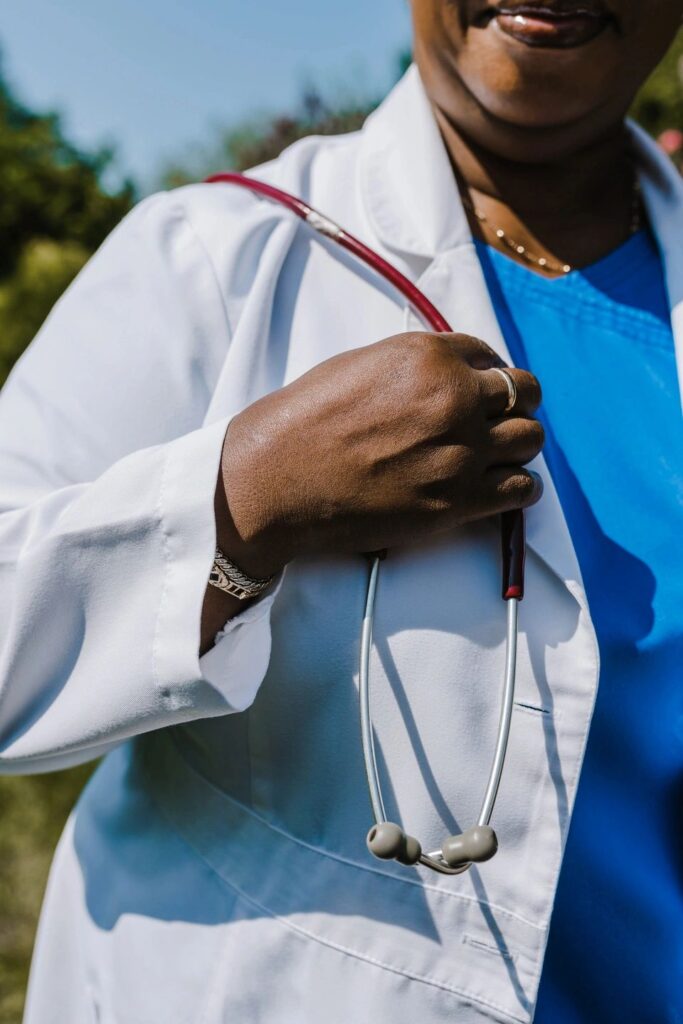
School Nurse
Known to promote the health and well-being of every student; offer preventive services and help identify and diagnose health problems that are present. They may also identify abusive situations that require the intervention of social services.
Medical Writer
This job position requires an in-depth medical knowledge to create health articles and publications. Many people with this title work as Nurse bloggers or Freelance health writers. A certification with the Medical Writing Certification Commission may be needed.
Home Health Executive Director
The duties may include managing nursing staff, creating and monitoring budgets, overseeing patient data and records, and communicating with patients, families, doctors, health care staff and other nurses.
What are the Advantages for Nurses to Work in a Non-Bedside Role?

There are a variety of advantages for nurses wanting to work outside of patient care. One advantage is the work schedule option. Most nurses in a hospital setting have long and stressful hours. However, with a non-bedside role, the hours can be less stressful and be less physically demanding. Also, there may be more opportunities to work in a variety of health care settings and specialties.
What to Consider Before Changing Your Nursing Career
- Assess Your Likes and Dislikes
- List Your Skills and Strengths
- Reaching out to a Career Coach
- Jobs Based on Skills and Interests
- Create a Targeted Resume
Overall, think about what you like and dislike about the nursing field. Which areas of the job do you excel in? Also, consider learning new things and increase your knowledge before changing careers. Always remember that many skills can be transferable.
Related: