The word “Ministry”, comes from the Greek word diakoneo, which means “to serve”. This is where the term “minister or pastor” also comes from. When you decide to go into ministry, you are serving people, through the name of Jesus Christ. Throughout the Bible, God uses His people to provide service to the lost, the weak, and all in between.
In Matthew 20:28, Jesus Himself states that he came to this world to be the servant, to meet the needs of all mankind, to “give his life as a ransom for many”; not to be served. And through His own testimony, people are called to follow in His steps and minister to others; by being both impartial and unconditionally seeking to help others as Jesus would.
What is Christian Ministry?
Christian ministry is the proclamation and proclamation of the gospel of Jesus Christ in word and deed, as well as providing pastoral care for people in need. It can include a wide range of activities such as preaching, teaching, evangelism, organizational development, Bible study, and humanitarian aid. Ultimately, Christian ministry seeks to share the love of God with its recipients and shape the world into a more loving and just place.
What Does a Minister Do?
Being a minister is an important role to hold. Outside of God, they are the leaders of the congregations they serve. Ministers and Pastors may serve as spiritual counselors, mediators or Christian mentors for the people in their communities. Some of the common duties that ministers do is leading church services, administering religious ordinances, and helping their members of their connect with God and grow in the holy spirit. Additional duties or responsibilities include:
- Providing counseling services to church members
- Integrating music
- Develop sermons that guide church members during services
- Mentor, supervise, and train clergy members and other church leaders
- Engage in fellowship with the church, so to connect the word of God and help teach them to learn from the Bible
- Planning fundraisers for church donations and contributions
- Manage the financial and administrative aspects of leading and running a church
Why Should I get my Masters in Christian Ministry Online?
Online Christian ministry programs offer both the convenience and flexibility for graduate students that work full time or have family commitments. In fact, some students find it easier to enroll in a part time course program or an accelerated one, instead of a traditional on-campus format.
What Will I Learn in a Christian Ministry Program?
There are several courses that are necessary for an applicant in a Christian Ministry program. The History of the Church and Foundational principles are top on this list. Some also may discuss: Theology, Apologetics, Christian Discipleship, Church Planting, Evangelism, and Mission Work.
Types of Degrees and Specializations in Christian Ministry
Some of the courses mentioned above may also be available as Specializations or concentrations within the masters degree program. For example, one might focus their learning strictly on Apologetics & Cosmogony, which combines Biblical truth and Science. Some students may focus on Christian Discipleship, which explores how to communicate the gospel to others and examine biblical models for discipling believers. Whatever career path in ministry you find yourself going through, a masters in Christian Ministry will get you there.
Universities Offering Online Master’s in Christian Ministry Degree Programs
A quick online Master’s in Christian Ministry degree is typically a program designed to be completed in as little as 15 months. The curriculum typically covers topics like Biblical studies, theology, Christian ethics, pastoral counseling, and ministry leadership. Many programs also offer elective courses in topics related to Christian ministry, providing students with a well-rounded education that can open up career options in the field of religious work and ministry.
1. Abilene Christian University
The MA in Christian Ministry at Abilene Christian University offers perspective students with foundational principles in the Bible and Biblical knowledge of the truth. Courses will include Biblical Exegesis, History of Christianity, Systematic Theology, and Foundations of the Theology of Ministry. The full program is 48 credits and may take approximately 30 months to complete. The next start date for this program is August 28, 2023. Graduates of this program will acquire Knowledge of Theology, Hospice care, and Spiritual Counseling. They will also learn good communication and Leadership skills. Applying students must have a 3.0 GPA or higher, Two letters of recommendation, Reflective essay, and completion of an academic writing assessment.
2. Anderson University
The Master of Ministry degree from Anderson University combines leadership skills and a strong foundation of Biblical studies in their masters program. This program, is perfectly created for those going into the ministry, those already in it, and for lay leaders who want to increase their effectiveness. Courses also include theology and practical preparation. All faculty members are not only academically trained, but also currently working professionals with much experience in full-time ministry. Completion of the course program is 42 credit hours. Many applicants can finish it within two years.
3. Bethel University
MA in Ministry at Bethel University provides graduates with a strong foundation for professional ministry. Students taking this course will build a biblical and theological understanding of the Word, learn to lead a Christ-centered Church, all while advancing in their ministry career path. The masters in Christian Ministry will cover relevant topics for today, such as spiritual formation, Biblical interpretation, systematic theology, and multicultural ministry. Students can complete the course at their own pace; however, the program should only take one year. The program consists of 36 credit hours, which includes 18 hours of required courses. 18 elective hours are also included. Bethel University is a member of the Council for Christian Colleges and Universities (CCCU).
4. Northwest University
Northwest University’s Master in Ministry degree is available completely online. This degree can take a student about sixteen months or (four semesters) to complete. The course program is also specifically for individuals who have a divine calling for the ministry and who wish to pursue a career as a lay or vocational ministry. The masters in Christian ministry is also for those who already possess an undergraduate degree in a field, such as Biblical studies, Theology, Christian Education, or Ministry. NU’s master programs are highly accredited and offer expert instructors in their courses. The program also can be useful for students with non-ministry bachelor’s degrees, yet seeking ministerial credentials.
5. Point University
The Masters in Transformative Ministry degree at Point University offers graduate students an dynamic curriculum, focused on Theology of Transformation, Personal Transformation, Community Transformation, and Organizational Transformation. Both men and women are encouraged to apply and to increase their knowledge and leadership skills for the ministry. The program will also focus on developing a broad biblical foundation to become and effective in the calling and Christian ministry. Example of courses offered to students are Preaching and Teaching for Change, Servant Leadership Theory & Development, Organizational Innovation & Creativity, and The Emerging Kingship of God. Students can complete the 36 credits required for the master of transformative ministry degree in about two years. Up to 12 credits are transferable. Point University is also known for small class sizes, for effective learning.
How Do You Choose the Best Christian Ministry Program?
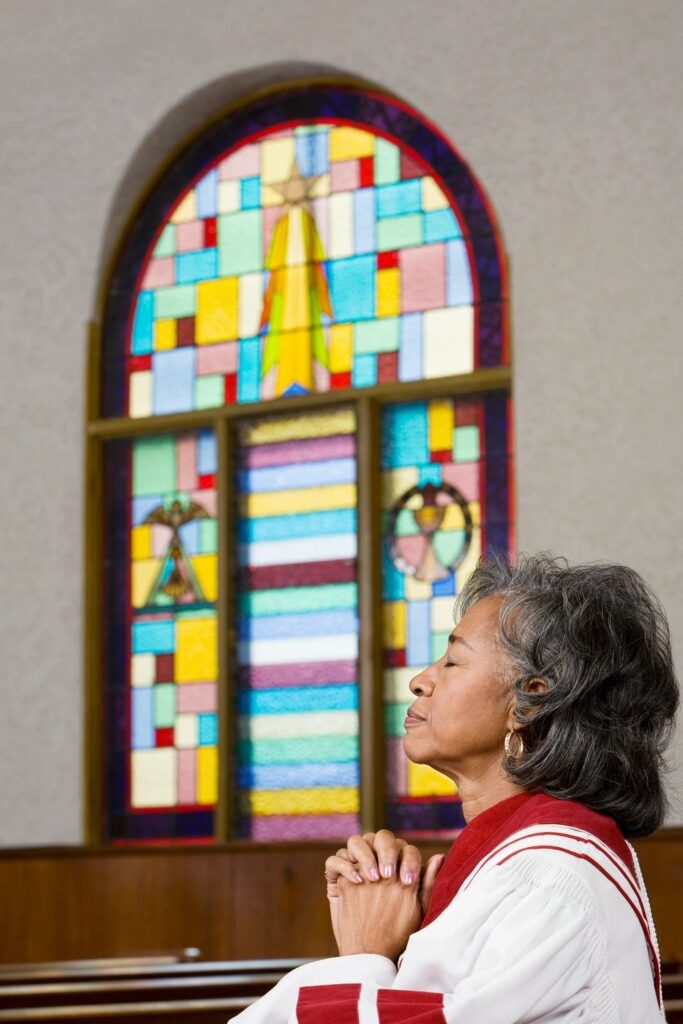
When pursuing a career in Christian ministry, one needs to consider some important factors. It could be a challenge to some, since they’re so many Christian-based colleges and universities that offer the Christian ministry degree or something similar. One good site that provides students with guidance and resources on which school to choose from is ChristianMinistryEDU.org. Here are some tips when searching for your right program.
- Gather Informative Materials: For example: Tuition and fees, Eligibility for financial aid, Percentage of students who graduate, Admission requirements, Employment rates after graduation, and Faculty-student ratio.
- Examine Education Credentials: look for accreditations by a high accredited body, such as the Council for Higher Education.
- Look for a high level of Spiritual growth : such as one that challenges your spiritual mind.
Certifications and Licensure
Now, there are some colleges and universities that provide not just the masters in Christian ministry degree. Some also offer certificates to graduates that only want to focus on a specialized field within the ministry itself. These Certs can help equip the student to lead from a biblical perspective, while also developing a foundational understanding of theology. Many certificates are very affordable, compared to the average masters degree program. In addition, if a student receives a certification in Christian ministry, it may help them establish employment faster.
Students can also obtain a counseling license. Obtaining your counseling license can boost your status as a “professional counselor”. You can focus on all types of counseling licenses, such as marital counseling, youth counseling, or even mental health counseling. Once the licensure is obtained, you will be called a Licensed Professional Counselor (LPC).
What are the Top Careers and Salaries in Christian Ministry?
There is a variety of types of career paths to choose from once you have a masters in Christian ministry. Below is just a few areas of interest that a graduate student may find employment in, either while going to school or once they have completed their educational goals.
1. Pastor/Minister
Primary duties: Lead or instruct the church members in worship and spiritual growth. They may also answer their questions, hold religious ceremonies; such as weddings and baptisms, and managing church finances or budgeting expenses. The national average annual salary for Pastors is $48,487.
2. Teacher
Primary duties: A teacher is an educational professional who instructs students and prepares them for higher education and into career opportunities. Teachers may educate students in one subject or many subjects. Emotional support may also be provided by Teachers as well. The salary of a teacher depends on certain factors, such as their educational goals and degrees earned, location, and work experience. The annual salary ranges from $30,000 to $75,000 per year.
3. Life Coach
Life coaches help people with personal development. Think of Hitch, except instead of dating, he helps you with your personal life instead. They help you look inside of yourself, so you can find your strengths and hone those areas. They can also help students to strengthen those areas of yourself that your not so good at also. Spiritual life coaches help strengthen a person’s spiritual life as well. Most life coaches will stay with a client until they reach their goal. The average hourly pay for a Life Coach is $38.62 in 2023.
4. Counselor
Counselors help people with mental health issues that arise in their personal lives. They form strategies to help an individual overcome the issues from their past, or currently ongoing, so they can move forward. Counselors give advice, provide information, and offer resources in order to make positive changes in the lives of their clients. This process can take sometimes a matter of months or sometimes years. It really depends on the individual. Pay will also vary on certain factors. Average salary falls between $70,066 and $86,797.
5. Camp Counselor
Camp counselor is another position associated with counseling. They work at summer camps or kids taking summer school. They help children grow and guide them spiritually. Some work for church camps, as well as school camps. They help plan activities, prepare meals and overall just lead the camp making sure everything runs smoothly and everyone has a great time.
6. Youth Pastor
They are known to teach children from elementary through high school about the Bible. Some also specialize in helping children with specific needs, such as behavioral disorders or mental illness. Some work in the public sector, while others may find employment at churches. The average salary for youth pastors is $40,592.
7. Chaplain
Chaplain are mostly found working in hospitals or in the military. Some also work in nursing homes or correctional facilities. A chaplain is an ordained minister, providing religious instruction or services, usually outside of the church. Many Chaplains do preach and officiate weddings. In some cases, a chaplain is called into a hospital to give a patient their last prayer. A Chaplain annual salary is $54,695.
8. Missionary
Missionaries go to different countries to spread God’s word and win souls for God. They work within many denominations. They also travel to developing nations to bring supplies, such as food, water and clothing. Most missionaries salaries will depend on funds from the churches that support them and where they are serving, whether it be domestic or internationally. However, some may receive around $67,359 per year, according to ziprecruiter.
Professional Organizations in Christian Ministry
There are several professional organizations that help the communities they live within. Some even help those overseas as well. Many are called Christian Charities. Many receive donations to help the how they serve the people, while others may receive a grant from the government for their assistance. Charities can also help in disaster relief, while some fund research.
Here are some common Christian Charities:
- Compassion International
- Catholic Relief Services
- Operation Christmas Child
- Feed the Hungry, Inc. (FTH) – The United Methodist Committee on Relief (UMCOR)
- World Vision
- Salvation Army
Related: